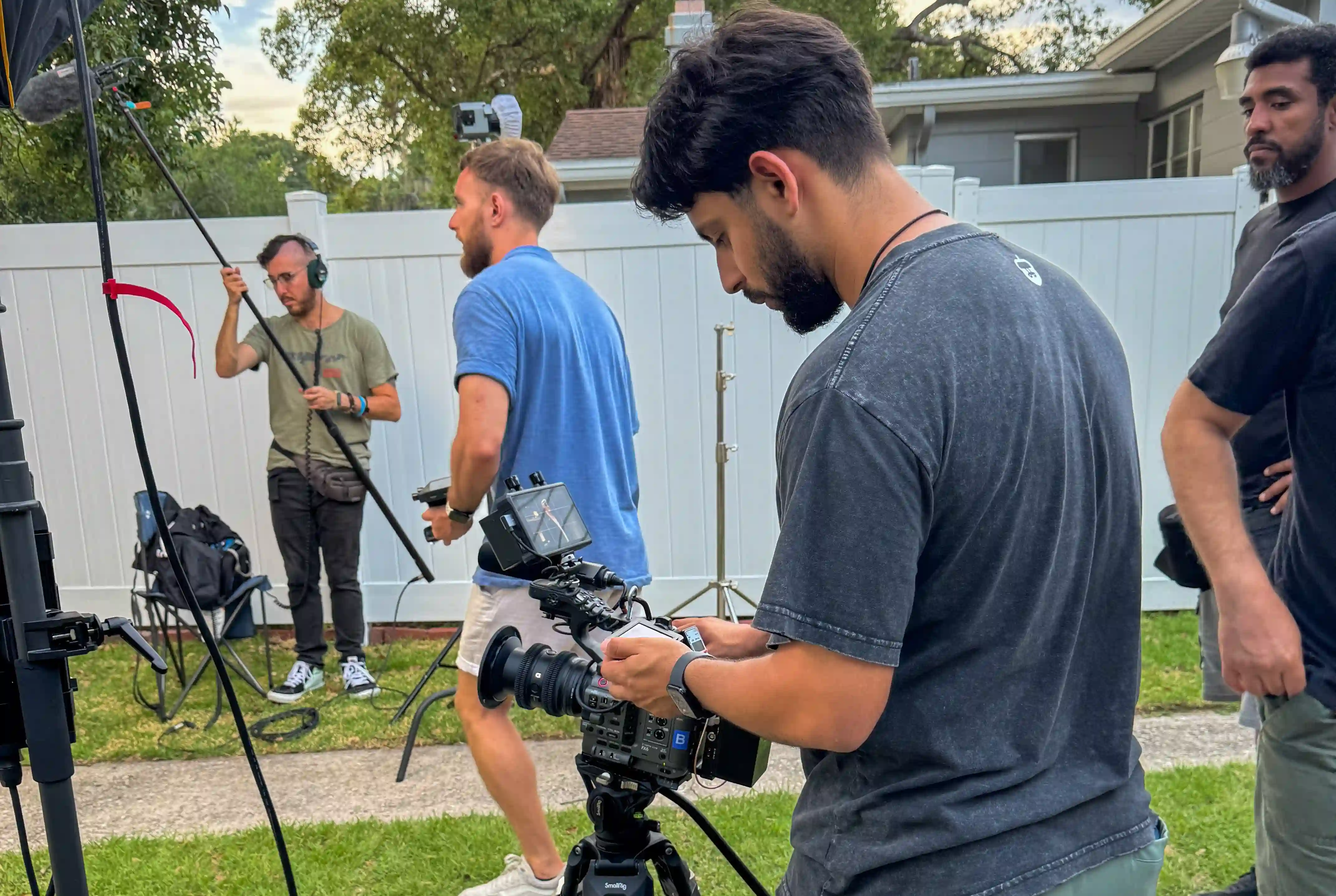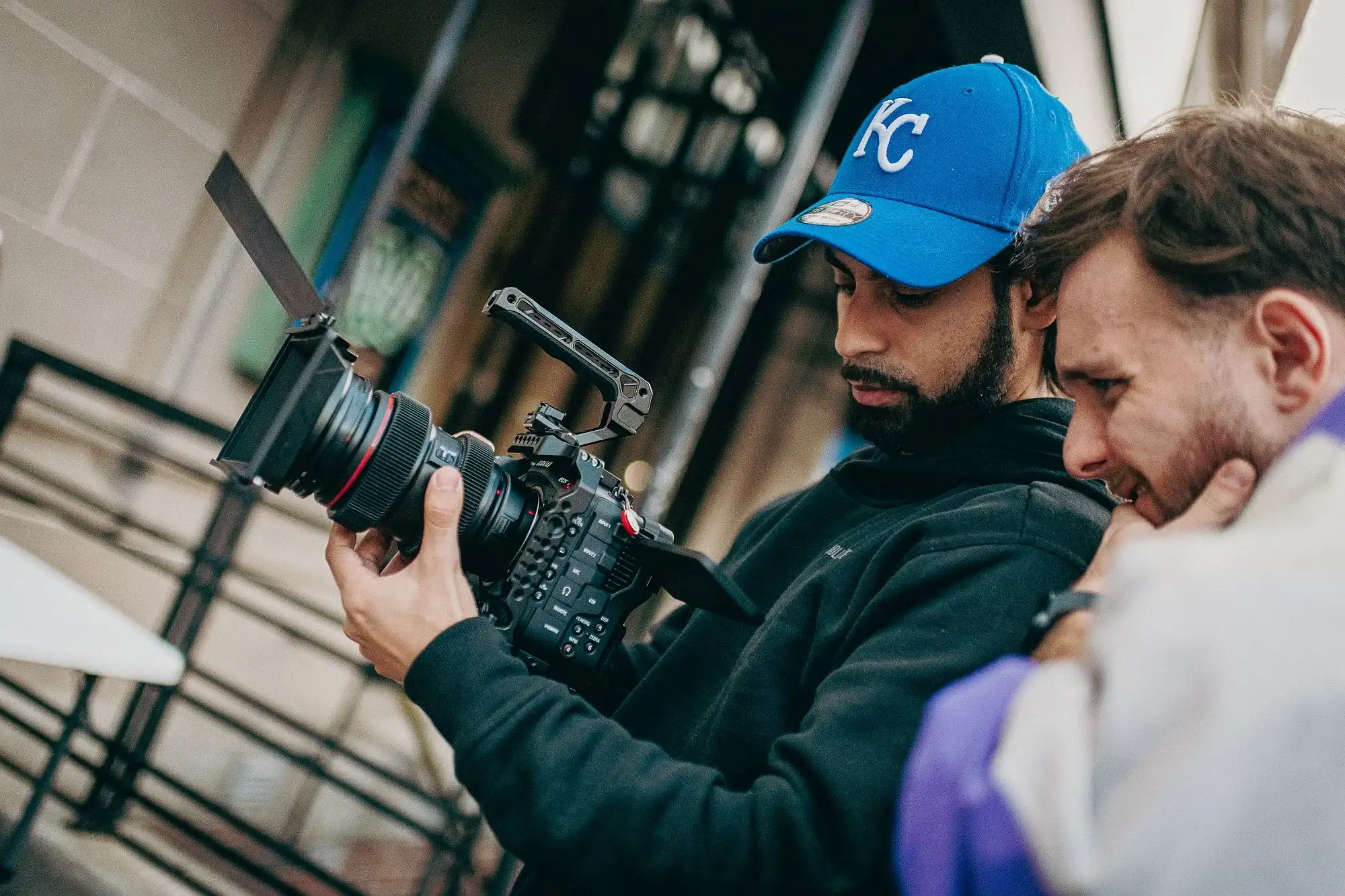
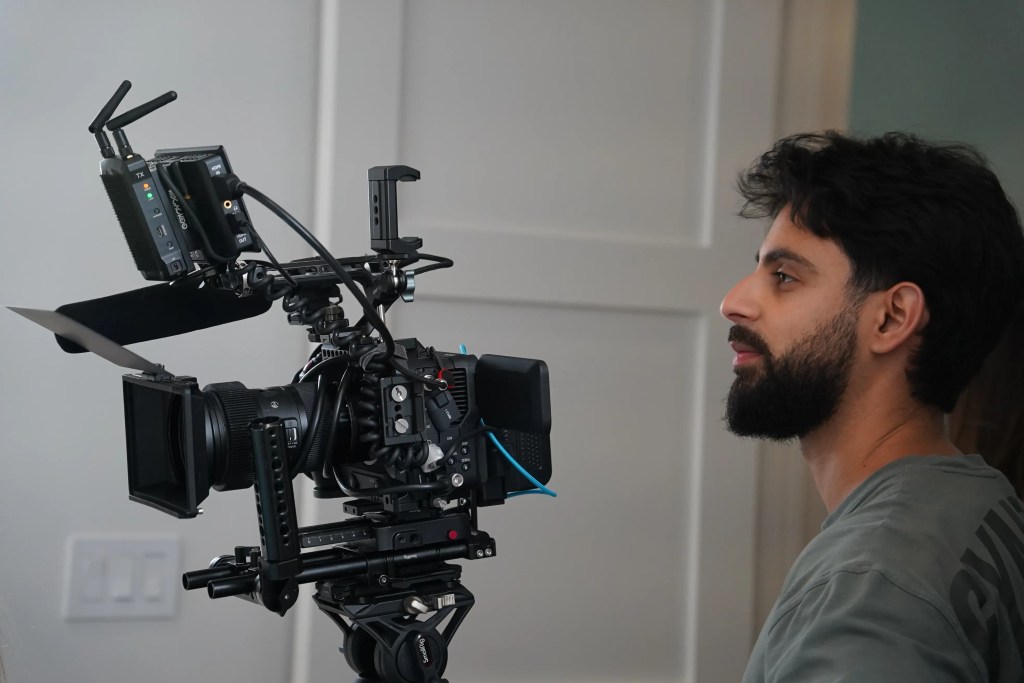

Video marketing gives Florida franchises three things a static ad cannot: one brand story that holds across every location, local versions of that story for each market, and assets that keep earning attention in search long after the campaign budget runs out.
Video marketing for franchises means producing brand-controlled video assets that every location can localize and deploy, instead of each unit making its own content and hoping it stays on brand.
Florida isn’t one market. Nielsen counts about ten separate media markets inside the state, and most franchise systems here are really operating across seven of them: Miami-Fort Lauderdale, Orlando-Daytona Beach-Melbourne, Tampa-St. Petersburg (Sarasota), West Palm Beach-Fort Pierce, Jacksonville, Fort Myers-Naples, and Gainesville. Creative shot somewhere else, for a customer who doesn’t live in any of these, rarely lands.
Why Florida Is a Different Franchise Market Than Most States
Florida combines fast franchise growth, a fragmented media landscape, and constant in-migration, which means locations are competing for attention that resets every year.
- Growth is accelerating: Florida ranks second among the ten fastest-growing states for franchising in 2026, behind only Texas, according to the IFA and FRANdata 2026 Franchising Economic Outlook. Nationally, more than 12,000 new franchised businesses are expected to open this year, with the Southeast expanding at 1.7 percent. More units opening means more locations chasing the same local attention.
- The state is fragmented: Miami-Fort Lauderdale, Orlando-Daytona Beach-Melbourne, Tampa-St. Petersburg (Sarasota), Jacksonville, West Palm Beach-Fort Pierce, Fort Myers-Naples, and Gainesville behave as distinct markets, each with its own media costs, competitors, and customer expectations. A single statewide campaign gets averaged into irrelevance.
- New residents keep arriving: Florida’s population reached 23,462,518 as of July 1, 2025, up 8.9 percent since the 2020 census, according to the U.S. Census Bureau’s 2025 QuickFacts release. That’s a permanent pool of customers who have never heard of your local unit, even when the national brand is famous.
- Language matters more here than almost anywhere: About 30 percent of Florida residents speak a language other than English at home. In Miami-Dade County, that figure is 75 percent. An English-only asset underperforms across a large share of the state’s franchise footprint.
1. One Brand Story That Holds Up Across Every Location
Video locks the core message in place before franchisees start improvising.
Brand drift usually starts small. A franchisee shoots a phone video, writes their own tagline, uses last year’s logo. Multiply that by twenty locations and the brand stops being recognizable. Most franchise agreements already require franchisor approval for promotional material, and franchisees can face penalties for campaigns that stray from approved assets. Pre-approved video removes that friction. Instead of policing what each unit produces, you hand them a library they’re allowed to use, which is a far easier system to run.
2. Localized Cuts From a Single Shoot Day
One master shoot can produce a personalized video for every location you operate, and this is the benefit almost nobody explains properly.
The economics work because post-production, not filming, is where localization happens. You shoot the brand story once. Then each unit gets its own version with a local address, local phone number, local staff soundbite, and local landmark b-roll cut in. Entrepreneur reports that a corporate office running an efficient shoot schedule can capture enough raw footage to produce more than 300 individual franchisee videos in three to five production days, and that locally personalized content sees up to six times more engagement than non-localized content.
Stop thinking about cost per video. Start thinking about cost per asset. One production day that yields twenty location-specific cuts is a completely different budget conversation than twenty separate shoots.
3. Stronger Local Pack and Location Page Performance
Unique video on each location page gives Google something to distinguish near-identical pages from each other.
Most multi-location franchise sites run into the same problem: an Orlando location page and a Jacksonville location page for the same brand often share ninety percent of their copy, so neither one ranks well. A location-specific video, with a transcript on the page and location keywords in the title and description, is genuine unique content. It also increases dwell time, and the same clip uploaded to each Google Business Profile gives every unit fresh media that most competitors don’t bother producing.
4. Faster, Better-Qualified Franchise Development Leads
For franchisors recruiting Florida operators, video filters candidates before they ever reach a sales call.
A prospective franchisee wants to know what the culture actually feels like and how much support they’ll get once they sign. Text on a franchise disclosure document can’t answer that convincingly, and most candidates know to discount marketing copy on sight. Franchisee testimonial videos and discovery-day footage let candidates self-select out early, before your development team spends hours on calls with a poor-fit applicant. It also signals that the franchisor invests in its network, which is the exact thing serious candidates are trying to assess before they commit six figures.
5. Lower Cost Per Hire Across Every Unit
Recruitment video reduces cost per hire and shortens time to fill, which matters in a state where service and hospitality turnover runs high.
A two-minute video showing a real shift, real coworkers, and a real manager explaining the schedule does more filtering than any job posting. Applicants show up already knowing what the work looks and feels like, so you spend less time interviewing people who quietly assumed the job was something else. For a franchise system hiring continuously across ten or more Florida locations, that time saved compounds fast, and it’s one of the easier wins to attribute directly back to the video budget.
6. Training That Keeps Service Consistent From Jacksonville to Key West
A single video training library replaces inconsistent in-person onboarding at every unit.
This is the least glamorous benefit and often the highest return. When one manager teaches the closing procedure their way and another teaches it a different way, brand standards drift and mystery-shop scores follow. Recorded corporate video production for training means every new hire in Sarasota learns the same process as every new hire in Miami. It also protects the operational standard your franchise agreement obligates you to maintain.
7. Better Paid Social Performance in Expensive Florida DMAs
Once targeting is set, creative quality is the main lever left for lowering cost per acquisition, and Miami and Orlando are expensive places to run weak creative.
Short-form video remains the highest-ROI format for 49 percent of marketers, according to HubSpot’s 2026 State of Marketing report. Video’s conversion advantage has been documented for a while too: an older but still widely cited Aberdeen Group analysis found websites with video converting at 4.8 percent versus 2.9 percent without, a gap marketers keep referencing even though the underlying study dates back to 2014. The practical move is to pull vertical cuts from footage you’ve already paid for. One shoot day feeds Meta, TikTok, and YouTube Shorts for months, and dedicated social media video production keeps each platform’s format right instead of posting the same 16:9 file everywhere.
8. Trust With Customers Who Just Moved Here
Real faces and real locations beat stock footage for a customer deciding between two nearby units of the same brand.
According to Wyzowl’s 2026 State of Video Marketing report, 89 percent of consumers say video quality affects how much they trust a brand, and 84 percent say they want to see more video from brands they follow. For someone who moved to Tampa four months ago with no local reference points, seeing the actual store, the actual staff, and the actual parking lot resolves a small uncertainty that a logo alone cannot.
9. Bilingual Reach Without a Second Production Budget
You can deliver English and Spanish versions from the same footage, at a fraction of the cost of shooting twice.
Subtitles, an alternate voiceover, and Spanish text overlays are post-production tasks, not new shoot days. For units in Miami-Dade, Broward, and Orange County, skipping this step means reaching only part of your actual market. Almost no franchise video content addresses it directly, which makes it a real opening for brands operating in Miami video production and across South Florida.
Create Video Content Your Franchise Can Use Across Locations
We keep core brand messaging consistent while giving individual locations useful content for their markets. Let’s plan a video strategy around your network’s needs.
Types of Franchise Video Worth Producing
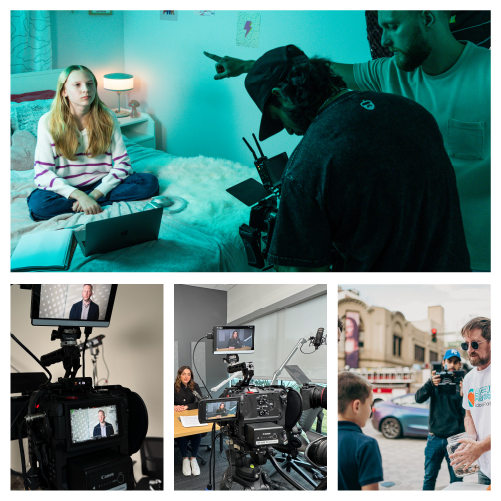
Most franchise systems only ever produce one kind of video, the hero brand film, and stop there. A working library usually includes six types:
- Brand film is the masterpiece that carries the core story and stays fixed across every location
- Localized ad cutdowns are the same shoot re-edited with local address, phone number, and landmark b-roll for each unit
- Recruitment video is a short, honest look at a real shift for job listings and career pages
- Training video is recorded procedures that replace inconsistent in-person onboarding
- Franchisee testimonial video is something where real operators speak to development prospects, used in discovery-day and recruitment content
- Culture and behind-the-scenes video is informal footage for social and Google Business Profile that humanizes the brand between campaigns
See our breakdown of types of video production for businesses for a closer look at how each format is typically scoped and shot.
What Does Franchise Video Production Cost in Florida, and Who Pays for It?
Franchise video is priced per production day, not per finished video. A single day typically yields a hero brand film, per-location cutdowns, vertical social cuts, and stills. Spread across twelve locations, a project in the $10,000–$15,000 range lands near $1,000 per location for a full asset set, which is why clustering beats twelve separate shoots. Geography compounds the savings: one crew covers Orlando and Tampa video production units along the I-4 corridor, and a South Florida crew travels efficiently between Miami, Fort Lauderdale, and West Palm Beach. Travel days are usually the line item that surprises people.
Funding normally splits three ways. The national ad fund covers the hero film, local marketing spend covers location cutdowns, and co-op contributions cover shared shoot days between nearby franchisees. That maps cleanly onto the 60 to 70 percent centralized, 30 to 40 percent local allocation most systems already run.
Check out our full corporate video production cost guide for Florida for a line-by-line breakdown.
How Long Does a Franchise Video Project Actually Take?
Most systems can go from kickoff to a delivered, location-ready asset library in four to six weeks, depending on how many units are in the first round.
Pre-production, meaning brand guideline collection, approver sign-off, and shot list build, typically runs one to two weeks. The shoot itself is usually one to three days depending on how many markets are clustered into a single trip. Post-production, where the actual localization happens, takes the bulk of the timeline: two to three weeks to cut the hero film, build the location templates, and produce the full set of cutdowns.
Plan around Florida’s calendar on both ends. Hurricane season runs June through November, so any outdoor shoot day needs a contingency date built in, and snowbird season, roughly November through April, changes how full a location looks on camera.
How Do Franchisees Get Video Approved Without a Three-Month Legal Cycle?
Get the approval chain agreed in writing before pre-production starts, then submit one package covering every cut instead of approving location by location.
Request the brand guidelines and the named approver up front, before the first frame is shot. The most common cause of delay is discovering at the review stage that a second stakeholder needed to sign off all along.
Build a shot list that separates locked elements from editable slots. Logo treatment, tagline, color grade, and music stay fixed. Address, phone number, staff soundbite, and local b-roll are the open fields. When the template is built this way, on-brand output becomes the structural default instead of something you have to enforce after the fact.
Here are a few practical habits that keep the process moving:
- Cluster locations by media market to cut travel days and keep the shoot schedule tight, including markets around Clearwater and Melbourne
- Submit one approval package covering all cuts. Reviewing thirty videos individually takes weeks; reviewing one master plus a localization template takes days
- Deliver into a shared asset library so every franchisee pulls from the same approved set instead of requesting files by email
How to Measure Whether it Worked
Track outcomes per location, because system-wide averages hide the results that actually justify the budget. Report location page conversion rate before and after the video embed, Google Business Profile interactions per unit, cost per lead on paid social by market, cost per hire for units running recruitment video, and franchise development inquiry quality if you’re recruiting.
Wyzowl’s 2026 survey found 82 percent of marketers report a good return from video, down from 93 percent the year before. That drop isn’t evidence video stopped working. It reflects far more teams shooting without a strategy behind it, which pulls the average down. Teams treating video as a system still report strong returns, and the difference comes down to planning, not budget.
Where to Start
If you operate multiple Florida locations, the question isn’t how much to spend on your next shoot. It’s whether that shoot is built to produce one video or thirty, and that single choice sets your cost per asset for the next two years.
We’re an Orlando-based video production company working with brands across Florida, including multi-unit and franchise clients running shoots along the I-4 corridor and across South Florida. You can see more of that work in our portfolio, and if you want a wider view of who else is shooting in this space, our roundup of the best video production companies in Florida is a useful starting point.
If you’re weighing video against other local marketing channels, our guides on pool marketing ideas in Florida and landscape marketing ideas in Florida cover the same localized-content thinking applied to other verticals.
Ready to plan a shoot across your Florida units? Book a discovery call, and we’ll scope it against your locations and approval process.